Paver Restoration, Re-Sanding & Sealing
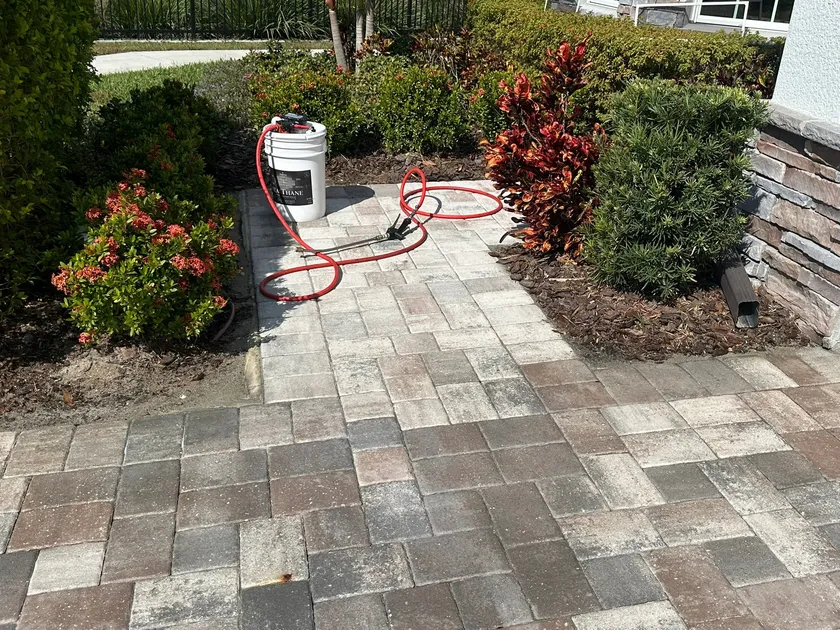
When a paver surface has moved rather than just faded, cleaning and sealing will not fix it. Paver Ink lifts sunken sections, resets edges, replaces broken pavers where we can match them, refills the joints with polymeric sand, and seals the finished surface.
About restoration & re-sanding
When cleaning and sealing will not fix it
Sealer is a surface treatment. If the problem is underneath the paver, no amount of finish on top will address it.
The tell is movement. Dips where cars park, pavers that rock underfoot, edges that have crept outward, joints wide enough to see the base through. Those are bedding failures, and they need the pavers lifted.
What restoration involves
- Lift the affected section and set the pavers aside
- Re-compact and re-screed the base to the correct fall
- Reset the pavers to the original pattern
- Replace anything cracked, matched as closely as we can find
- Refill every joint with polymeric sand and set it
- Seal the whole field so the repair does not stand out
Matching pavers that are no longer made
Sometimes we find a match and sometimes we do not. When we cannot, the better answer is usually to relocate rather than replace: sound pavers come out of a hidden area (under where a car sits, behind a planter) and go into the visible repair, and the imperfect match goes where nobody looks.
Why the sand matters more than people think
Full joints are structural. They spread load between pavers so no single unit takes the weight of a wheel on its own. A field with empty joints is a field where every paver is working alone, which is why sand loss and paver movement always show up together.
Four steps, no surprises
-
Walk the job
We measure the field, count the joints and tell you what the surface actually needs. If sealing is the wrong call, we say so.
-
Clean & sand
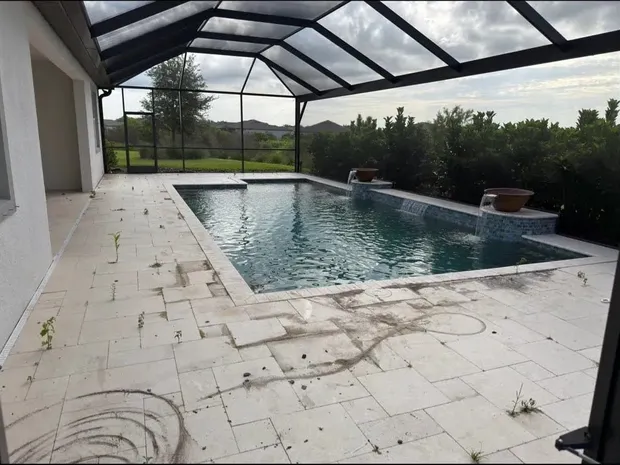
Surface clean, then hand detail the edges and stains. Polymeric sand gets swept and set into every joint.
-
Seal
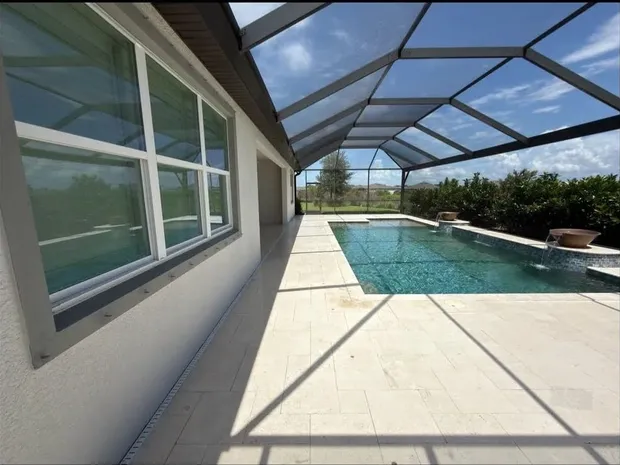
Two coats, wet-look or matte, applied once the pavers read dry all the way through. Damp pavers are how sealer goes cloudy.
-
Walk it again
You look at it with us before we load the trailer. Anything off gets fixed that day, not on a callback.
Recent work
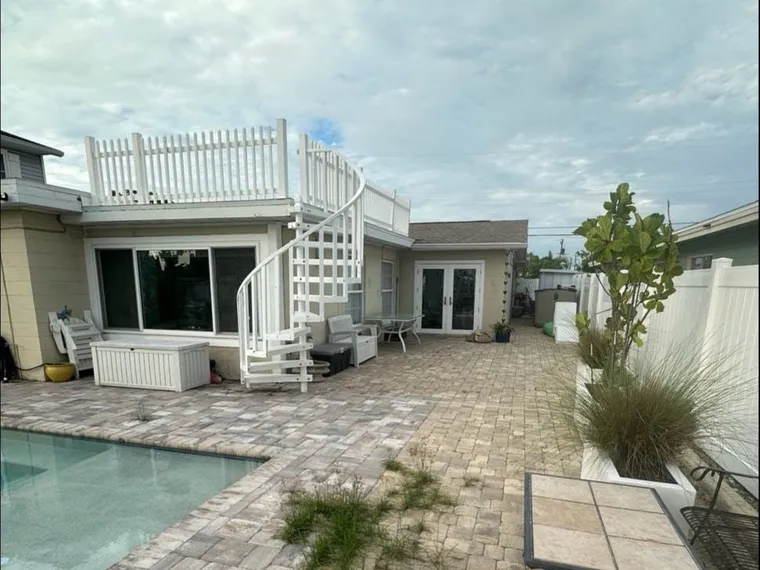
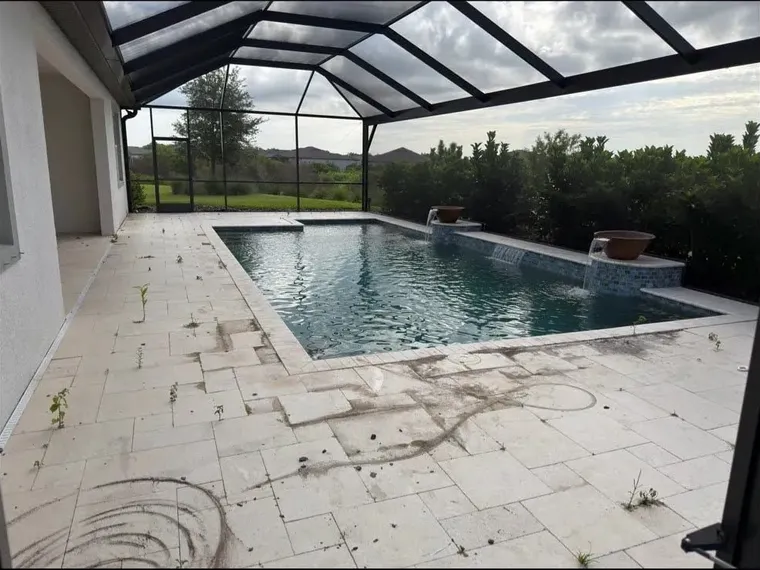
Restoration & re-sanding questions
How do I know if I need restoration rather than just sealing?
If the surface has moved, you need restoration. Dips where cars park, pavers rocking underfoot, edges that have crept outward, joints wide enough to see the base. Those are all bedding problems. Sealer sits on top and cannot fix any of them.
Can you match pavers that are no longer made?
Sometimes. Pull-and-relocate is often the better answer: we take sound pavers from a hidden area (under where a car sits, or behind a planter), use them for the visible repair, and put the imperfect match in the hidden spot.
What is polymeric sand and why does it matter?
It is joint sand with a binder mixed in. Wet it once it is swept in and it sets firm rather than staying loose. That locks the field together so individual pavers cannot shift, and it gives weeds and ants far less to work with.
Is restoration worth it, or should I just replace the driveway?
Restoration is usually a fraction of replacement cost, and if the pavers themselves are sound it is the obvious call. The pavers are rarely the thing that failed. If the base is badly compromised across the whole field, replacement may genuinely be the better spend. We will say so.